You need more than a good business idea and financing if you want to start or run a business in Colorado. A crucial and often neglected part of running a business is knowing the business licensing laws and how they impact your Accounting processes.
Colorado’s unique business licensing system affects Bookkeeping, tax compliance, and financial reporting. If you run a CPA Firm, provide outsourced accounting services, or are a business owner, you need knowledge of business licensing and the relationship between business licensing and accounting processes to help clients stay compliant and get the most out of their finances.
Colorado’s Unique Licensing Structure
An important detail is that, unlike many states, Colorado has no general business license issued at the state level.
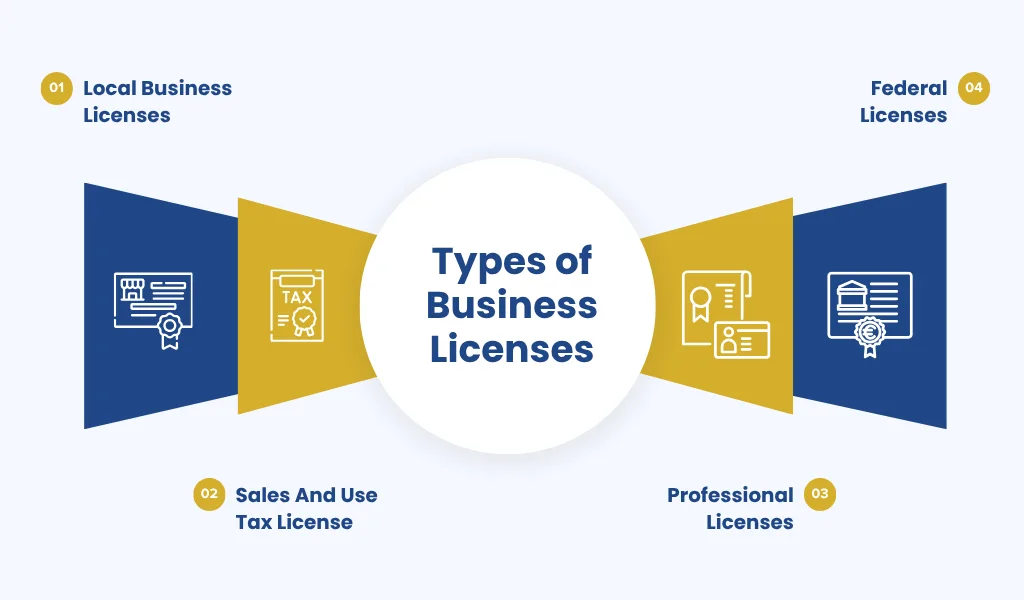
Given that, business owners contend with the following:
- City or county licenses showing local compliance
- Sales tax licenses or other state-specific license requirements
- Professional licenses are issued per the requirements of specific industries.
- Federal licenses, if applicable
Because of division of authorities, licensing laws vary based on business:
- Location
- Industry
- Types of products or services
For example, a federally licensed business may have different requirements than a state of Colorado sales-tax-licensed service business.
The differences make it harder for an accountant to estimate the date of compliance or calculate the tax exposure or compliance cost obligation.
Types of Business Licenses in Colorado
A. Local Business Licenses
In Colorado, the majority of businesses must secure some form of licensing from their respective city or county.
Common licenses/certificates required on the local level:
- General business licenses
- Zoning permits
- Occupancy permits
- Signage permits
These permits are generally required to be renewed annually, which is an expense that should be classified as a recurring expense on the business’s financial statements.
B. Sales and Use Tax License
If your business provides taxable Services or products, you need to get a sales tax license from the Colorado Department of Revenue.
This license gives businesses the ability to sell the following:
- Collect sales tax
- Communicate tax liabilities
- Send taxes to the state
Accounting requires:
- Tracking the difference between taxable and non-taxable sales
- Filing taxes periodically
- Managing cash flow
C. Professional Licenses
Some industries that require professional licensing include:
- Accounting and finance
- Real estate
- Healthcare
- Engineering
An example of this can be seen among CPAs that work in Colorado. CPAs must follow a mandate to pursue a certain degree of education and take certain qualifying/licensing exams and continuing professional education to maintain their licensing.
In addition to this, CPAs must also renew their licenses in a certain amount of time before they lapse. This adds to the already burdened costs of compliance and/or the administrative burden of tracking records.
D. Federal Licenses
Some sectors like transportation, agriculture, and firearms require both federal and state and local approvals.
From an Accounting perspective, federal compliance means there is added information to report as well as increased risks of being subject to additional audits.
Key Accounting Impacts of Business Licenses
Business licenses affect both accounting frameworks and your financial strategy in addition to being a legal obligation.
1. Expense Classification and Tracking
License fees, renewal costs, and compliance expenses need to be
- Accurately Categorized (i.e., as administrative expenses)
- Temporally tracked
- Departmentally allocated (if necessary)
Improper tracking of any of these can skew both profitability and budgeting.
2. Tax Compliance and Reporting
Licensing decides tax obligations in areas like the following:
- Sales tax collection
- Nexus (economic presence)
- Multi-state taxation
After South Dakota v. Wayfair, Inc., businesses selling online consider economic nexus rules, despite lacking a physical presence.
This changes accounting workflows, especially in e-commerce.
3. Financial Statement Accuracy
Licensing costs and compliance obligations impact your:
- Profit and loss statements
- Cash flow forecasts
- Balance sheet liabilities
For example:
- Unpaid license fees become Accrued Liabilities
- Annual renewals are treated as recurring expenses.
You achieve transparency and better financial decisions through appropriate accounting.
4. Audit and Compliance Risk
Not having the correct licenses results in:
- Fines and penalties
- Closing your business
- Legal problems
From a financial standpoint, this involves
- Conditional liabilities
- Reported risks in the financial statements
5. Multi-Location Accounting Complexity
If you run a business in multiple cities in Colorado:
- Licenses might differ from location to location.
- A wider variance in tax rates is expected.
All of the following become more complex:
- Tracking revenue
- Expenses
- Compliance reporting
Accounting Challenges for Colorado Businesses
Due to the absence of a statewide licensing system, Colorado businesses often encounter the following:
1. Piecemeal Compliance Tracking
Businesses must track the different deadlines and requirements of various licenses.
2. Higher Overhead
Obtaining and maintaining separate licenses demands additional staff and funds.
3. Penalties for Compliance Failures
Failure to meet renewal deadlines leads to expensive compliance failures and/or suspension of licenses.
4. Restrictive Revenue Growth
Difficult and expensive licensing as businesses grow can limit the growth of a business.
Best Practices for Managing Licensing and Accounting
To streamline operations and ensure compliance, businesses should adopt the following strategies:
1. Centralized Documentation System
Maintain a digital repository of:
- Licenses
- Renewal dates
- Compliance documents
Helps reduce deadline risk.
2. Integrate Licensing with Accounting Software
Optimize expense reporting tools with:
- Expense Categories
- Recurring Reminders
- Tax Record
Cost licensing will be properly reflected in your reports.
3. Work with Professional Accountants
Working with seasoned accounting experts provides the following:
- Recognizing compliance standards
- Handling tax responsibilities
- Decreasing financial risks
This is essential for companies dealing in multiple regions.
4. Ongoing Compliance Assessments
Conduct routine assessments to verify that:
- All permits are current.
- All charges are covered.
- All laws are being obeyed.
This reduces your exposure to economic and legal risks.
5. Plan for Growth
If planning to expand:
- Review licensing demands in other regions.
- Projected heightened expenses
- Upgrade accounting systems as necessary.
Why This Matters for CPA Firms and Offshore Accounting Services
Assessing Colorado Licensing for CPA firms and Offshore Accounting providers like KeyCMS Accounting is extremely beneficial.
Your clients can:
- Sustain compliance in all jurisdictions.
- Maximize tax benefits
- Enhance the accuracy of financial reporting.
- Reduce expensive fines.
As a result, your firm is viewed as an adviser and your clients as business partners.
Conclusion
It’s important to get a solid grasp on what business licenses mean for your firm in Colorado, both from a legal compliance and a financial perspective.
Unlike most states, Colorado does not have a baseline licensing requirement for businesses at the state level, meaning you have to deal with all of the local levels and the layers of licensing at the state and industry levels. This has a direct impact on your business’s financial recordkeeping and tax compliance and ranges all the way up to the preparation and execution of financial plans.
Running a business and managing an Accounting Firm both require the same thing: applying strategies and planning in a way that turns a compliance requirement into an advantage.
FAQs
1. What licenses are required to start a business in Colorado?
The state of Colorado does not require businesses to obtain a general business license that applies to the entire state. Depending on their business activities most companies need to obtain both local city or county licenses and state permits that include a sales tax license.
2. Do I need a sales tax license in Colorado?
Businesses that sell physical products or services subject to taxation must acquire a sales tax license from the Colorado Department of Revenue to collect and pay sales tax.
3. How do business licenses impact accounting?
Business licenses influence accounting processes which include expense management and tax obligations and creation of financial documents. The organization needs to record all license expenses and renewal costs and compliance expenditures.
4. Are business license fees tax-deductible?
Most business license fees qualify as common and essential business costs which businesses can deduct from their taxes. The correct classification of these fees needs to occur in the organization accounting records.
5. What happens if I operate without a required license in Colorado?
Operating a business without required licenses results in penalties which include fines and legal action and potential business shutdown. The situation creates accounting problems because it leads to unrecorded liabilities and risks of noncompliance.
6. How often do business licenses need to be renewed in Colorado?
The renewal period for licenses depends on both the specific license type and the regulations of the local area. The annual renewal process exists for many licenses while other licenses follow different approval timelines.
7. How can businesses manage multiple licenses efficiently?
Businesses can handle their multiple licenses through three main methods which include using centralized tracking systems and integrating compliance into their Accounting Software and partnering with professional accountants to achieve accurate license reporting and timely renewals.